How Long Do Different Pastas Take to Cook?
Cooking pasta sounds straightforward until you realise how much variation there is. Shape, thickness, ingredients, and whether it’s fresh or dried all affect cooking time. Get it right, and you end up with pasta that has proper bite. Get it wrong, and it’s either undercooked or overly soft.
This guide breaks down how long different pastas take to cook, what affects timing, and how to judge doneness without relying entirely on the clock.
The Key Rule: It Depends on the Pasta
There isn’t a single cooking time that works across the board. Pasta falls into a few broad categories:
- Dried pasta (most common)
- Fresh pasta (short cooking time)
- Stuffed pasta (varies depending on filling and thickness)
Each behaves differently in boiling water, so understanding the category matters more than memorising exact times.
Dried Pasta Cooking Times
Dried pasta is the most consistent. It’s made to hold its shape and typically takes longer to cook than fresh pasta.
Here’s a general guide:
Long Pasta Shapes
- Spaghetti: 8–10 minutes
- Linguine: 9–11 minutes
- Fettuccine: 10–12 minutes
These shapes cook evenly and are usually ready when tender but still firm in the centre.
Short Pasta Shapes
- Penne: 10–12 minutes
- Fusilli: 9–11 minutes
- Farfalle: 10–12 minutes
Short shapes tend to have slightly thicker sections, which is why cooking times sit around the same range as long pasta.
Tubular and Dense Shapes
- Rigatoni: 12–14 minutes
- Macaroni: 8–10 minutes
Thicker walls mean longer cooking times, especially for larger tubes.
Fresh Pasta Cooking Times
Fresh pasta is a different process entirely. Because it hasn’t been dried, it cooks much faster.
Typical cooking times:
- Fresh tagliatelle: 2–4 minutes
- Fresh fettuccine: 2–4 minutes
- Fresh ravioli: 3–5 minutes
You’ll notice a pattern here—fresh pasta rarely takes more than five minutes.
It also cooks more quickly because it’s already hydrated. You’re not rehydrating dried dough; you’re simply cooking it through.
Stuffed Pasta: Timing Matters More
Stuffed pasta like ravioli or tortellini depends on both the pasta and the filling.
- Fresh ravioli: 3–5 minutes
- Dried ravioli: 10–12 minutes
- Tortellini (fresh): 3–5 minutes
- Tortellini (dried): 10–12 minutes
You’ll know they’re ready when they float and the pasta is tender.
Be careful not to overcook—stuffed pasta can break apart if left too long.
What Affects Cooking Time?
Even within the same type of pasta, cooking times can vary. A few factors make a difference:
Thickness
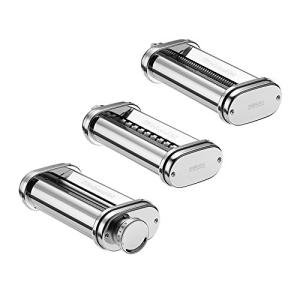
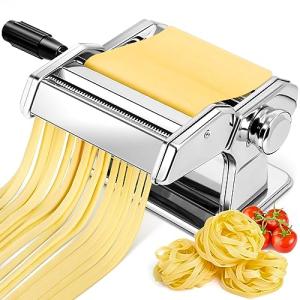
Thicker pasta takes longer. This applies whether you’re using pasta makers at home or buying dried pasta.
Handmade pasta that’s been rolled thicker will need more time than very thin sheets.
Ingredients
Egg-based pasta cooks differently from water-based dough. Egg pasta is often richer and slightly softer, which can reduce cooking time.
Altitude and Water Temperature
Water that isn’t at a full boil will slow things down. Always cook pasta in rapidly boiling water.
Quantity
Adding too much pasta at once can drop the water temperature and extend cooking time.
How to Tell When Pasta Is Done
Timing is useful, but it’s not the most reliable method.
The best approach is to test the pasta directly.
The “Al Dente” Standard
Pasta should be “al dente”—tender but with a slight firmness in the centre.
Take a piece out, let it cool slightly, and bite into it. You’re looking for:
- No chalky centre
- Slight resistance when biting
- A clean, even texture throughout
If it’s soft all the way through with no resistance, it’s overcooked.
Common Mistakes That Affect Cooking Time
Even if you know the correct timing, a few mistakes can throw things off.
Starting in cold or warm water
Always use boiling water. Anything less slows the process and affects texture.
Not using enough water
Pasta needs space to move. Too little water leads to uneven cooking.
Skipping salt
Salt doesn’t just add flavour—it slightly affects how pasta cooks and absorbs water.
Over-relying on the packet time
Packet instructions are a guide, not a rule. Always check the pasta yourself.
Do Different Pasta Tools Change Cooking Time?
Not directly, but they influence thickness and shape.
If you’re using pasta makers, you can control how thin your pasta is, which directly affects how quickly it cooks.
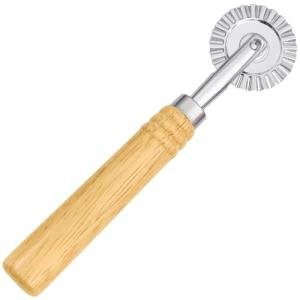
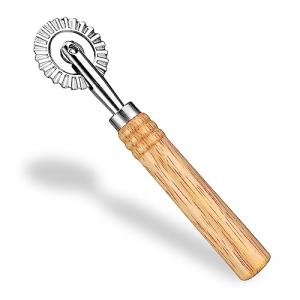
Similarly, using different pasta cutters can change the size and shape, which in turn changes cooking time slightly.
For example, thin strands cook faster than wide ribbons, even if made from the same dough.
Quick Reference Table
For ease, here’s a simplified overview:
- Fresh pasta: 2–5 minutes
- Dried long pasta: 8–12 minutes
- Dried short pasta: 9–12 minutes
- Thick/tubular pasta: 10–14 minutes
- Stuffed pasta: 3–12 minutes (depending on fresh or dried)
Use this as a starting point, then adjust based on what you’re actually cooking.
Final Thoughts
Cooking pasta well comes down to observation as much as timing.
Different shapes, ingredients, and thicknesses all play a role. While general guidelines are helpful, the best results come from checking the pasta as it cooks and adjusting based on texture.
Once you get used to it, you won’t need to rely on exact times. You’ll know when it’s ready just by how it looks and feels—and that’s when pasta starts to improve consistently.